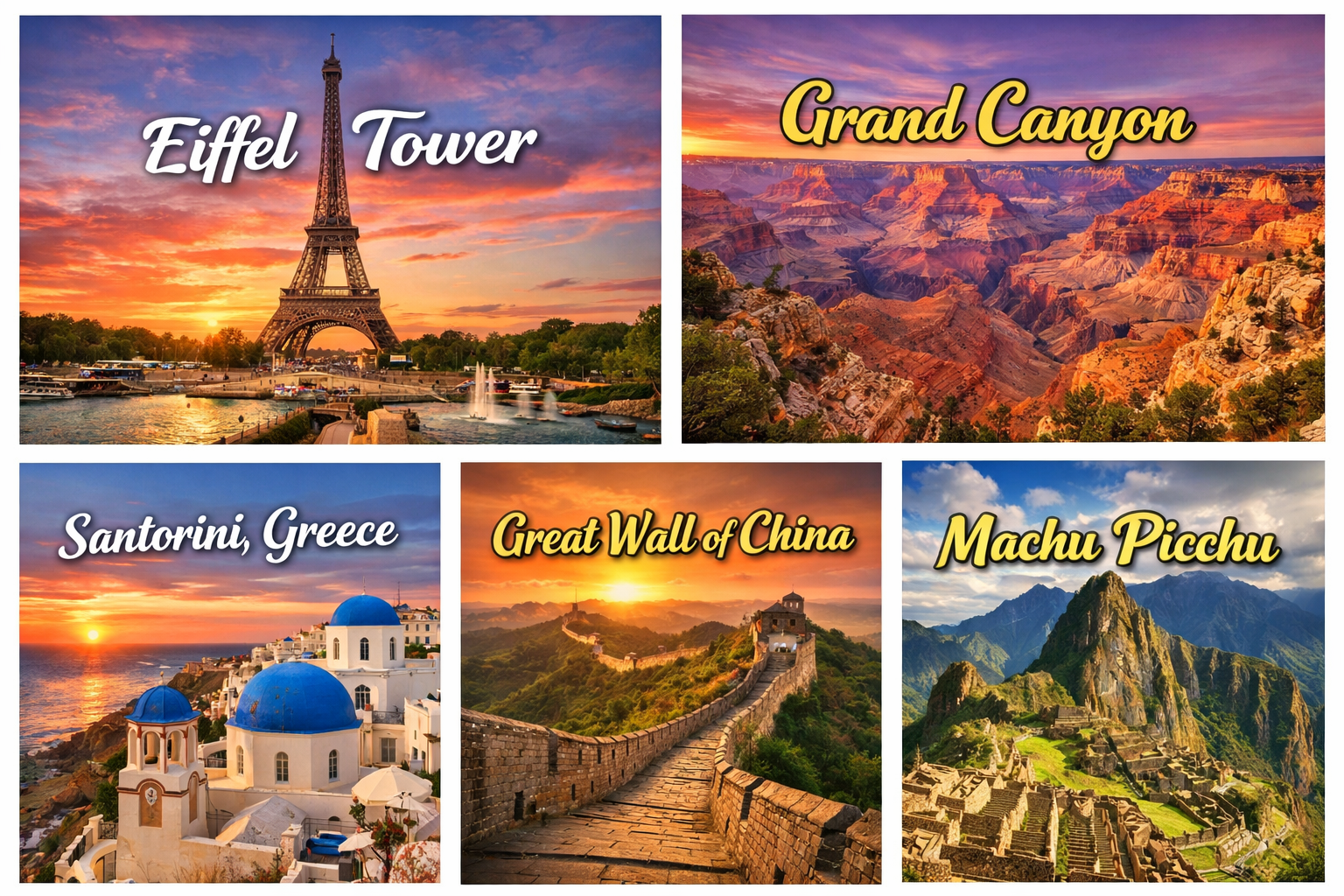
The world offers countless breathtaking destinations, from the romantic charm of Paris and the stunning cliffs of the Grand Canyon to the white beauty of Santorini and the historic Great Wall of China. Machu Picchu, Dubai, and Bali each add adventure, culture, and unforgettable landscapes to every traveler’s journey. 🌍✈️

The Eiffel Tower stands as one of the most recognizable landmarks in the world, symbolizing not only the beauty of Paris but also the spirit of innovation and artistic elegance that defines France. Rising gracefully above the Champ de Mars beside the River Seine, the tower was completed in 1889 for the Exposition Universelle, marking the 100th anniversary of the French Revolution. Designed by engineer Gustave Eiffel, the iron structure was initially criticized by artists and intellectuals who believed it would ruin the Paris skyline. However, over time, it became a beloved monument and a global icon of romance, culture, and architectural brilliance. Standing at approximately 330 meters tall, the Eiffel Tower attracts millions of visitors each year who come to admire its intricate lattice design and breathtaking panoramic views of Paris. Visitors can ascend to different observation levels, where they witness the city’s historic landmarks such as the Louvre, Notre-Dame Cathedral, and the Arc de Triomphe stretching across the horizon. During the day, the tower’s iron framework shines under the sunlight, while at night, it transforms into a sparkling masterpiece illuminated by thousands of golden lights that shimmer every hour. The surrounding gardens and fountains create a picturesque environment, making it a favorite location for couples, photographers, and travelers seeking unforgettable memories. Beyond its beauty, the Eiffel Tower represents engineering mastery of the 19th century and continues to serve as a broadcasting tower. Whether viewed from a distance across the Seine or experienced up close while standing beneath its towering arches, the Eiffel Tower leaves visitors with a sense of awe and inspiration. It is more than just a monument; it is a timeless symbol of love, history, art, and the enduring charm of Paris that continues to capture the hearts of people from around the globe.
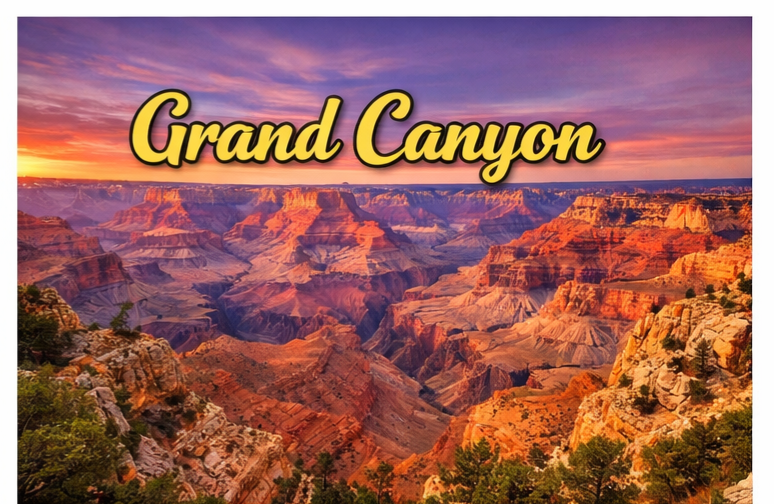
THE GRAND CANYON
The Grand Canyon is one of the most spectacular natural wonders on Earth, carved over millions of years by the powerful flow of the Colorado River. Located in the state of Arizona in the United States, this immense canyon stretches approximately 446 kilometers long, up to 29 kilometers wide, and over 1,800 meters deep. Its vast size and dramatic layered rock formations reveal nearly two billion years of geological history, making it a paradise for scientists, photographers, and adventure seekers alike. The canyon’s colors shift throughout the day, from soft pinks and oranges at sunrise to deep reds and purples at sunset, creating breathtaking views that leave visitors speechless. Standing on the rim, one feels both humbled and inspired by the sheer scale of nature’s power. Visitors can explore the canyon through hiking trails, mule rides, helicopter tours, and river rafting experiences along the Colorado River. The South Rim is the most popular area due to its accessible viewpoints and visitor facilities, while the North Rim offers a quieter and more remote experience. Wildlife such as deer, condors, and bighorn sheep add to the canyon’s natural charm. The Grand Canyon is not just a scenic location; it is a living geological record that tells the story of Earth’s evolution. For Native American tribes, it holds deep cultural and spiritual significance. Whether admired from a viewpoint overlooking the endless cliffs or experienced during an adventurous descent into its depths, the Grand Canyon offers an unforgettable journey into the heart of nature’s grandeur. It reminds us of the immense forces that shape our planet and the timeless beauty that results from patience and persistence.

SANTORINI GREECE
Santorini, a stunning island in the Aegean Sea, is one of Greece’s most enchanting travel destinations, known for its whitewashed buildings, blue-domed churches, and breathtaking sunsets. Formed by a volcanic eruption thousands of years ago, the island’s dramatic cliffs rise above crystal-clear waters, creating a landscape that feels almost magical. The villages of Oia and Fira cling to the caldera’s edge, offering panoramic views of the sea and neighboring islands. The contrast of bright white architecture against the deep blue sky and sea creates a picture-perfect scene that has become iconic around the world. Visitors stroll through narrow cobblestone streets lined with charming cafes, boutique shops, and traditional Greek tavernas serving delicious local cuisine such as fresh seafood, olives, feta cheese, and famous Santorini wines. The island’s volcanic beaches, including Red Beach and Kamari Beach, offer unique black and red sands shaped by volcanic activity. As the sun sets over the horizon, the sky transforms into shades of orange, pink, and purple, drawing crowds who gather to witness one of the most beautiful sunsets on Earth. Beyond its visual beauty, Santorini offers rich history, including the ancient ruins of Akrotiri, a Minoan settlement preserved under volcanic ash. The island blends natural wonder, cultural heritage, and romantic charm, making it a favorite destination for honeymooners and travelers seeking relaxation and inspiration. Santorini’s peaceful atmosphere, combined with its vibrant culture and stunning scenery, creates an unforgettable experience that lingers in the hearts of those who visit.

THE GREAT WALL OF CHINA
The Great Wall of China stands as one of the greatest architectural achievements in human history, stretching thousands of kilometers across northern China. Built over several dynasties, particularly during the Ming Dynasty, the wall was constructed to protect Chinese states from invasions and raids. Rather than a single continuous wall, it is a series of fortifications made of stone, brick, tamped earth, and other materials. Winding across mountains, deserts, and plains, the wall showcases the determination, skill, and resilience of ancient builders. Walking along the Great Wall offers breathtaking views of rolling hills and rugged landscapes, giving visitors a sense of stepping back in time. Watchtowers and fortresses along the structure once served as lookout points and communication stations using smoke signals. Today, restored sections such as Badaling and Mutianyu attract millions of tourists who climb its steep steps and admire its historic significance. The wall symbolizes strength, unity, and perseverance. It represents the efforts of countless workers who labored under challenging conditions to build a structure that would stand for centuries. Recognized as a UNESCO World Heritage Site, the Great Wall remains a proud symbol of Chinese culture and heritage. Experiencing the wall firsthand provides not only a glimpse into ancient military strategy but also a powerful reminder of humanity’s ability to create monumental structures that withstand the test of time.
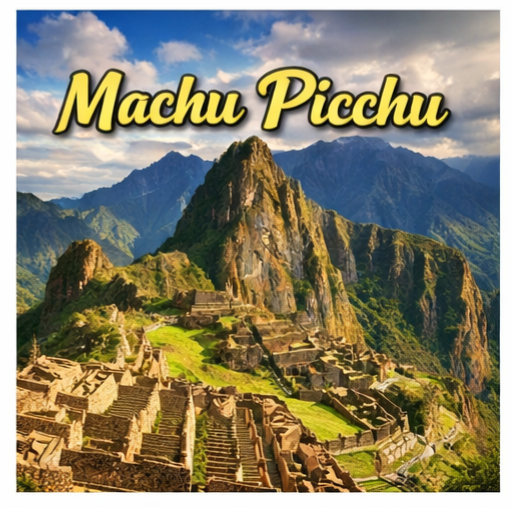
Machu Pichu
Machu Picchu, the ancient Incan citadel nestled high in the Andes Mountains of Peru, is one of the most mysterious and awe-inspiring archaeological sites in the world. Built in the 15th century during the reign of Emperor Pachacuti, the city was later abandoned and remained hidden from the outside world until its rediscovery in 1911 by historian Hiram Bingham. Surrounded by lush green peaks and mist-covered mountains, Machu Picchu sits at an altitude of about 2,430 meters above sea level. The stone structures, terraces, temples, and plazas demonstrate the advanced engineering and architectural skills of the Inca civilization. The precisely cut stones fit together without mortar, showcasing remarkable craftsmanship. Scholars believe the site may have served as a royal estate, religious center, or sacred ceremonial site. Visitors often hike the Inca Trail to reach the citadel, experiencing breathtaking views along the journey. As the morning mist lifts, revealing the ancient ruins against the dramatic mountain backdrop, the sight feels almost surreal. The harmony between human construction and natural landscape makes Machu Picchu a masterpiece of cultural heritage. Designated as a UNESCO World Heritage Site and one of the New Seven Wonders of the World, it continues to captivate travelers with its mystery, beauty, and historical significance. Machu Picchu stands as a testament to the ingenuity and spiritual depth of the Inca civilization, reminding us of humanity’s enduring connection with nature and history.

Leave a Reply to Ratul Biswas Cancel reply